Pack bulk food for longer storage
A practical, economical approach to storing suitable dry staples with food-grade Mylar bags, oxygen absorbers, heat seals and protective pails.
Removing oxygen is not a preservation method for moist food. In low-oxygen packaging, unsuitable moist foods can support deadly botulism. Never use this process for cooked rice or beans, fresh food, moist dried foods or foods that need refrigeration.
1. Choose foods suited to this method
Start with commercially dried, low-moisture, low-fat staples such as white rice, dry beans, wheat or dry pasta. Long-term oxygen-free storage guidance calls for moisture content of 10% or less. Do not guess dryness by feel: use supplier specifications or a validated preservation source for the food you intend to package.
Refined flour may be packed using appropriate dry-food guidance, but rotate it; whole-grain flour, brown rice, nuts and oils are not equivalent to white rice for very long storage. Do not promise a fixed lifespan for a DIY batch. Moisture, fat, food age, temperature and seal quality all matter.
Salt and sugar need dry, protective containers but no oxygen absorbers. Keep honey in its appropriate tightly sealed container. Oxygen absorbers do not dry food, sterilize it or make questionable food safe.
2. Gather compatible supplies
You need food-contact-rated foil-laminate Mylar bags, food-storage oxygen absorbers, a heat sealer suited to the bag’s thickness, labels, and clean food-grade pails with matching gasketed lids. Plan smaller bags you can use after opening rather than exposing an entire large pail at once.
The Mylar pouch provides the main light, moisture and oxygen barrier. A rigid pail protects it from punctures and handling; plastic alone is not the same long-term oxygen barrier. Choose a properly fitted lid. A screw-on access lid can be useful for a working pantry, but it does not replace a sound heat-sealed pouch.
Find supply searches in the recommended products below. Specialty suppliers such as Wallaby Goods offer Mylar and absorbers; food-grade pails and matched lids may also be available at local hardware or restaurant-supply stores. Verify food-contact rating and compatibility, not just the words ‘storage bucket.’ Never reuse a chemical pail.
3. Prepare a small, dry packing batch
Inspect the food for damage, discoloration and pests. Use clean, completely dry tools, containers and work surfaces. Do not rinse dry grain or beans before sealing; added moisture changes the safety of this process.
Place a bag in the pail or set portion-sized bags on a stable surface. Fill while leaving enough clean, flat material at the top for the manufacturer’s seal. Keep food and dust away from the seam. Prepare all bags before opening the absorbers.
4. Size absorbers correctly and work promptly
Absorber ratings in cc describe the volume of oxygen they can absorb, not bag volume. Needed capacity depends on container size, free air space, food density and the supplier’s instructions. Use that supplier’s chart for your bag and food; do not use a universal ‘one packet per bag’ rule.
Open only the packets you can use promptly. Put the specified amount in each bag and seal without delay, following the supplier’s exposure-time limit. Keep unused packets in a truly airtight container using their instructions. A desiccant is a moisture absorber, not an oxygen absorber; the two are not interchangeable.
Do not eat absorber packets, and keep them away from children and pets. A bag does not always look vacuum-packed after oxygen removal because nitrogen remains. Appearance alone cannot confirm absorber activity or safe food moisture.
5. Heat-seal, inspect and protect
Gently expel excess air without forcing food into the seam. Flatten the top and heat-seal the entire width with the bag and sealer manufacturer’s temperature, pressure and dwell time. A zipper closure is not enough for this long-term barrier.
Let the seam cool, then inspect it for wrinkles, gaps, food particles and weak spots. Make a practice seal first. Follow the supplier’s integrity-check and resealing instructions; if a seal or absorber is questionable, resolve it promptly rather than storing the batch on faith.
Label every pouch with food, packing date, original lot or best-by information and any preparation directions or allergens. Place sealed pouches in the food-grade pail, protect them from sharp edges, and secure the matched lid.
6. Store well and keep a rotating pantry
Choose a cool, dry, dark, pest-resistant indoor location off the floor and away from chemicals. Inspect periodically for dampness, pest damage and broken seals. Do not use a hot garage or car as your long-term storage room.
Once opened, treat the food as ordinary pantry food and use it on an appropriate rotation schedule. Keep a record of what is packed and try cooking from it. Dry beans and rice still require safe water and cooking fuel; packaging supplies do not solve those needs.
Bulk staples can cost less than prepared emergency meals, but include bags, absorbers, pails, lids, a sealer, your time, cooking fuel and replacement waste in the comparison. If you will not do the work correctly, sealed commercial foods and a rotating pantry may be the better choice.
Packaging supplies to look for
 View on Amazon (paid link)
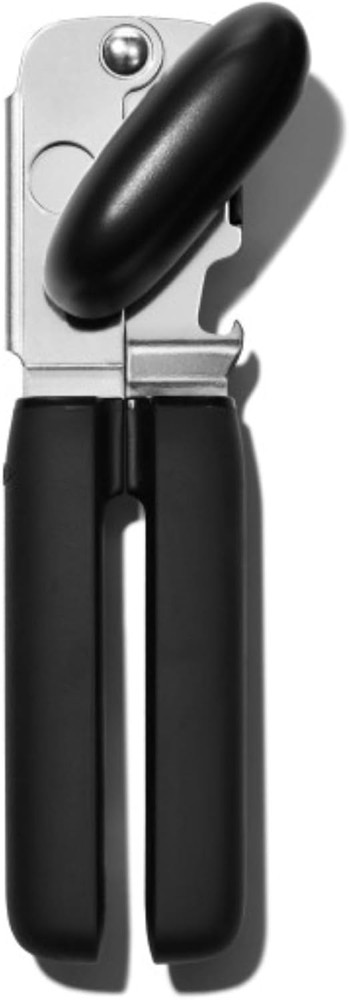
Can Opener
1 can opener — Open stored canned food without electricity.
 View on Amazon (paid link)
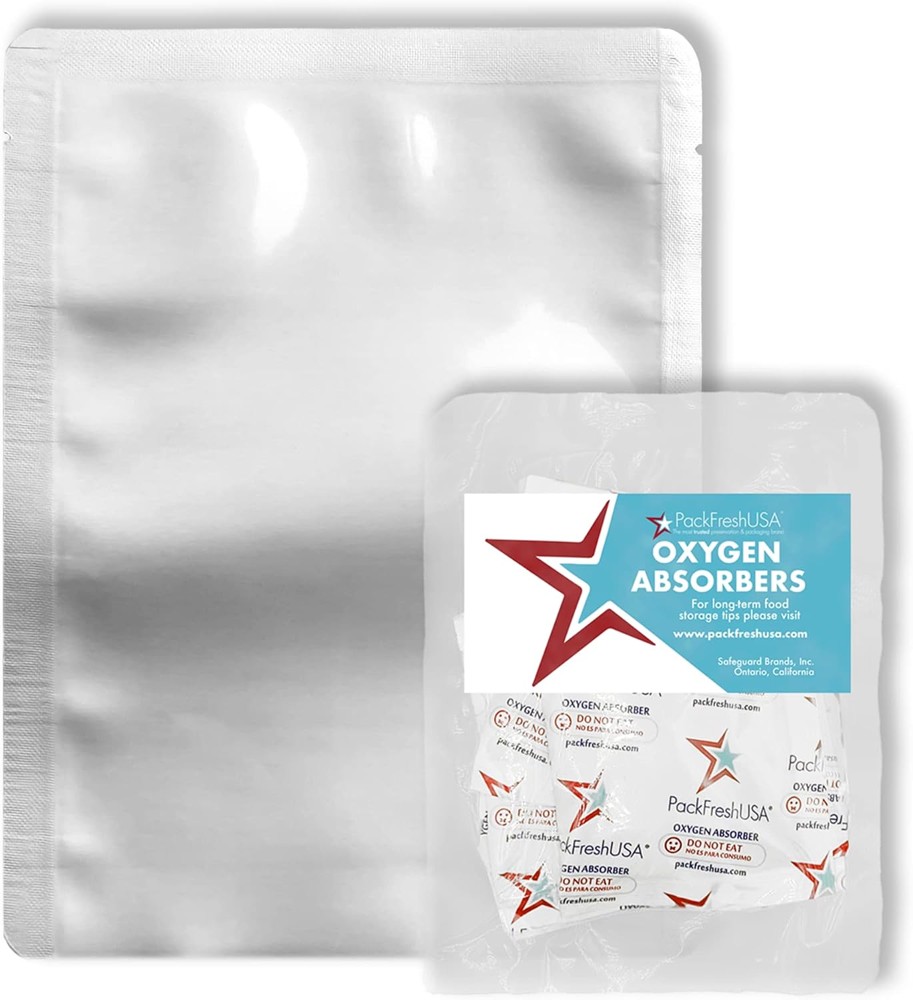
Food-Grade Mylar Bags
Pint-size 6-inch (15.2 cm) × 8-inch (20.3 cm) heat-sealable bags, listed as 7 mil (177.8 µm) per side, with 100cc oxygen absorbers included. For suitable very dry, low-fat staples; match absorber needs to the food and supplier instructions. Heat-seal for long-term storage.
 View on Amazon (paid link)
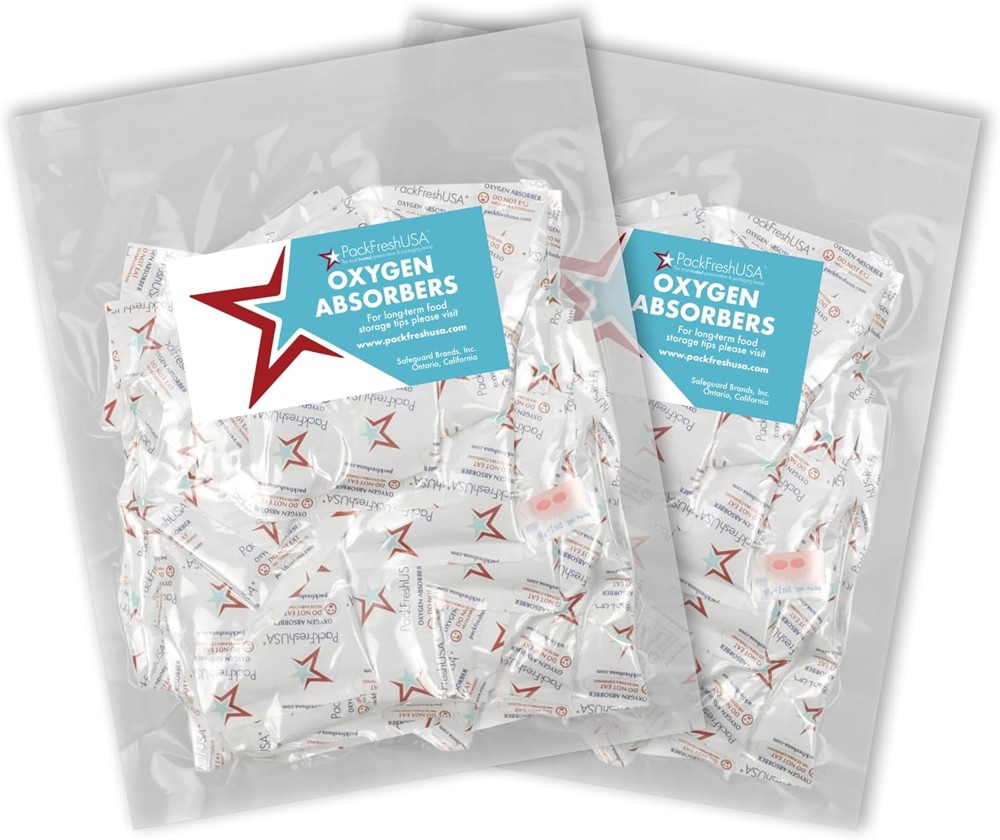
Food-Storage Oxygen Absorbers
100-pack of 500cc absorbers. Use only for suitable very dry, low-fat foods. Match capacity to the bag, food and supplier instructions; do not use for moist foods, salt or sugar. Not needed separately if your bag kit includes the correct absorbers.
 View on Amazon (paid link)
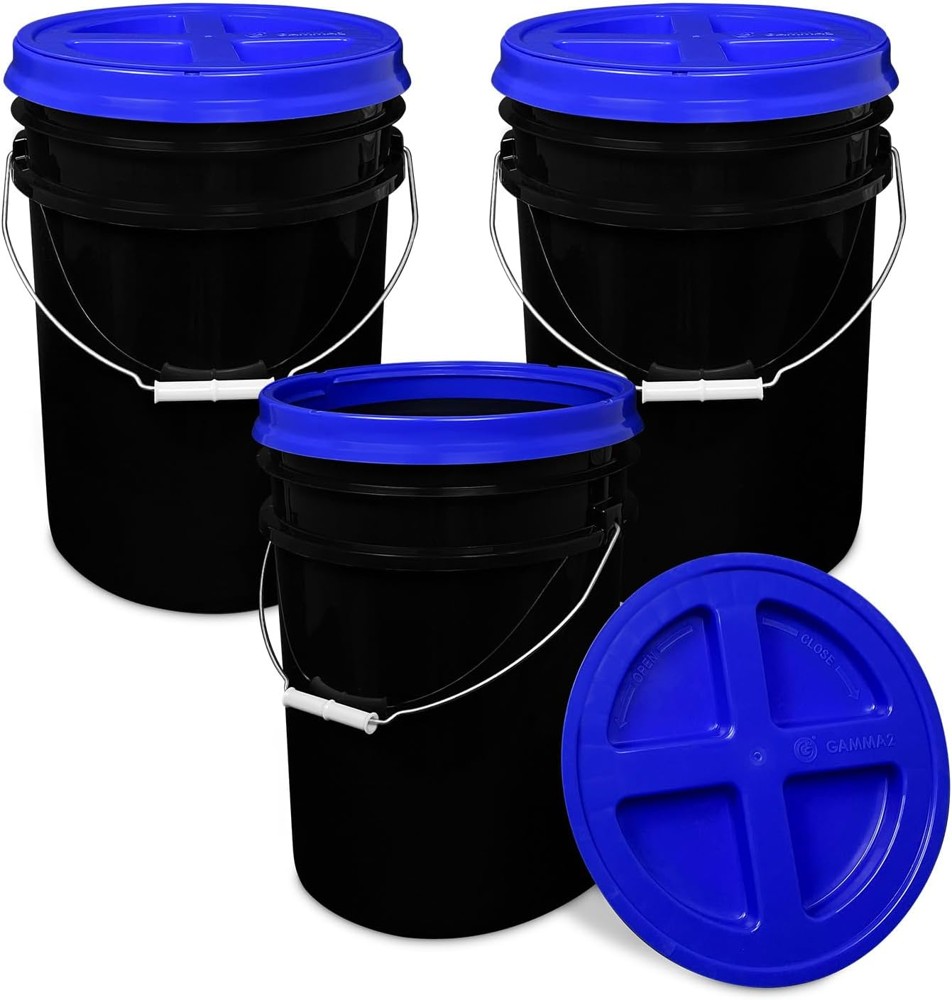
5-Gallon (18.9 L) Food-Grade Pails & Gamma Seal Lids
Three black food-grade pails with matching blue screw-on lids. Rigid outer protection for sealed bags; screw lids help daily access but do not replace the bag’s oxygen barrier. Never reuse chemical containers.
 View on Amazon (paid link)
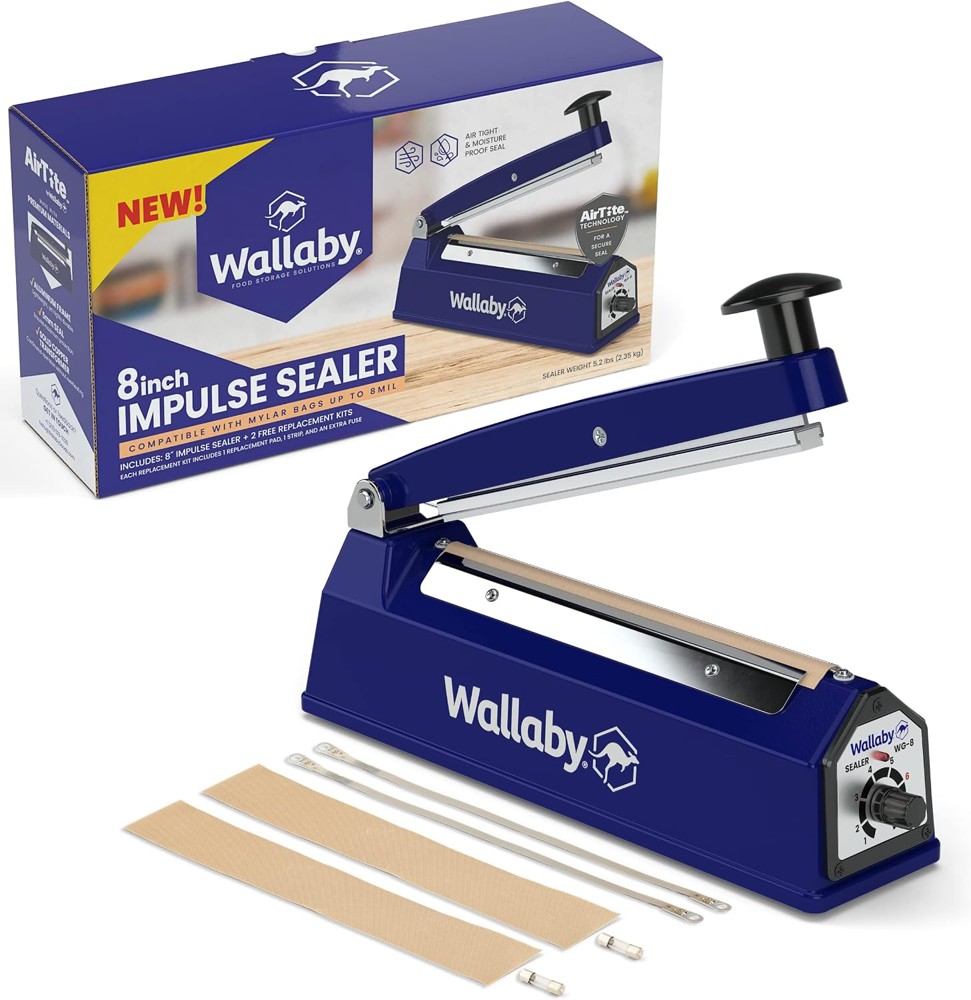
Mylar-Compatible Heat Sealer
Blue 8-inch (20.3 cm) corded impulse sealer for Mylar bags. Match bag width, material and thickness to its instructions; wider bags need a wider sealer. Follow the sealing instructions and inspect the entire seam for gaps. Requires electricity.
Amazon links are affiliate links; CrisisHQ may earn a commission at no extra cost to you.
Sources
- Utah State University: Food storage packaging
- Longer-term food storage: dry-food and packaging guidance
- Utah State University: Moisture, temperature and food storage
- Utah State University: Storing white rice
- Wallaby Goods: Mylar bags and packaging supplies (seller)
Reviewed November 17, 2026. Follow current food-safety guidance and your exact package’s instructions. Manufacturer shelf-life statements are not guarantees for every storage condition.